
 Contacto
 Cómo comprar
Entrega
Guía de compras
 Inglés
 368 b
368 b
Hasta 30 días para devoluciones
Clientes que también han comprado




 /
/
 CD de audio
 18.79
€
18.79
€








 /
/
 Tapa blanda
32.29
€
Tapa blanda
32.29
€





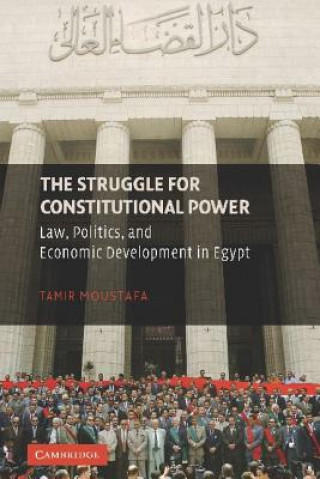
For nearly three decades, scholars and policymakers have placed considerable stock in judicial reform as a panacea for the political and economic turmoil plaguing developing countries. Courts are charged with spurring economic development, safeguarding human rights, and even facilitating transitions to democracy. How realistic are these expectations, and in what political contexts can judicial reforms deliver their expected benefits? This 2007 book addresses these issues through an examination of the politics of the Egyptian Supreme Constitutional Court, the most important experiment in constitutionalism in the Arab world. The Egyptian regime established a surprisingly independent constitutional court to address a series of economic and administrative pathologies that lie at the heart of authoritarian political systems. Although the Court helped the regime to institutionalize state functions and attract investment, it simultaneously opened new avenues through which rights advocates and opposition parties could challenge the regime. The book challenges conventional wisdom and provides insights into perennial questions concerning the barriers to institutional development, economic growth, and democracy in the developing world.


Sobre el libro
Inglés
Categorías

Regale este libro hoy
Es fácil
1 Añadir al carrito y elegir Entregar como regalo en el checkout 2 Le enviaremos un vale 3 El libro llegará a la dirección del destinatarioTambién puede interesarle










 /
Tapa dura
173.49
€
/
Tapa dura
173.49
€
 /
Tapa dura
215.29
€
/
Tapa dura
215.29
€








¡Hola! Soy Libroamiko, tu asesor de libros.
¿Cómo puedo ayudarte?