
 Contacto
 Cómo comprar
Entrega
Guía de compras
 Inglés
 140 b
140 b
Hasta 30 días para devoluciones
Clientes que también han comprado

 /
/
 Tapa blanda
 31.29
€
31.29
€

















 /
Tapa dura
27.89
€
/
Tapa dura
27.89
€







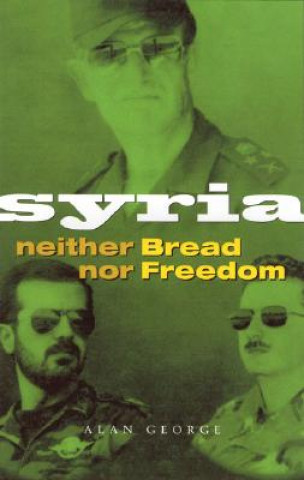
Syria is one of the world's great police states. After the death of President Hafez al-Assas in mid-2000 hopes were high that his son and successor, Bashar, might succeed in reforming a system that had become a byword for repression. For six months, and for the first time in decades, Syrians were able to speak freely, without fear of the hated secret police, or mukhabarat. Political discussion groups mushroomed. The press started carrying articles openly demanding democracy, and pro-democracy petitions were circulated. Alarmed at the potential threat, regime hardliners struck back, closing down discussion and staging show trials at which pro-democracy activists were sentenced to years in jail. As justification, the regime cynically cited the need for "national unity" at a time when Israel under Ariel Sharon and the United States under George W. Bush were subjecting the region to onslaughts that many Middle Easterners saw as new manifestations of an old imperialism. Here, Alan George recounts the drama of the "Damascus Spring" and its repression, and reveals what happens in a state like Syria to the institutions that occupy the political space between government and governed.


Sobre el libro
Inglés

Regale este libro hoy
Es fácil
1 Añadir al carrito y elegir Entregar como regalo en el checkout 2 Le enviaremos un vale 3 El libro llegará a la dirección del destinatarioTambién puede interesarle













 /
Tapa dura
38.89
€
/
Tapa dura
38.89
€











¡Hola! Soy Libroamiko, tu asesor de libros.
¿Cómo puedo ayudarte?