
 Contacto
 Cómo comprar
Entrega
Guía de compras
 Inglés
 129 b
129 b
Hasta 30 días para devoluciones
Clientes que también han comprado

 /
/
 Tapa blanda
 17.09
€
17.09
€



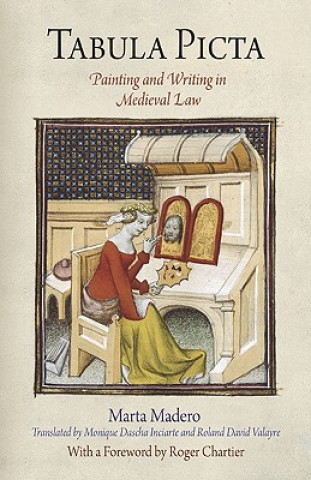
To whom does a painted tablet-a tabula picta-belong? To the owner of the physical piece of wood on which an image is painted? Or to the person who made the painting on that piece of wood? By extension, one might ask, who is the owner of a text? Is it the person who has written the words, or the individual who possesses the piece of parchment or slab of stone on which those words are inscribed? In Tabula Picta Marta Madero turns to the extensive glosses and commentaries that medieval jurists dedicated to the above questions when articulating a notion of intellectual and artistic property radically different from our own. The most important goal for these legal thinkers, Madero argues, was to situate things-whatever they might be-within a logical framework that would allow for their description, categorization, and placement within a proper hierarchical order. Only juridical reasoning, they claimed, was capable of sorting out the individual elements that nature or human art had brought together in a single unit; by establishing sets of distinctions and taxonomies worthy of Borges, legal discourse sought to demonstrate that behind the deceptive immediacy of things, lie the concepts and arguments of what one might call the artifices of the concrete.


Sobre el libro
Inglés

Regale este libro hoy
Es fácil
1 Añadir al carrito y elegir Entregar como regalo en el checkout 2 Le enviaremos un vale 3 El libro llegará a la dirección del destinatarioTambién puede interesarle



 /
Tapa dura
175.09
€
/
Tapa dura
175.09
€



¡Hola! Soy Libroamiko, tu asesor de libros.
¿Cómo puedo ayudarte?