
 Contacto
 Cómo comprar
Entrega
Guía de compras
Tamil Nadu
 Inglés
 67 b
67 b
Hasta 30 días para devoluciones
Clientes que también han comprado




 /
/
 Tapa blanda
 6.69
€
6.69
€






 /
Tapa blanda
10.69
€
/
Tapa blanda
10.69
€











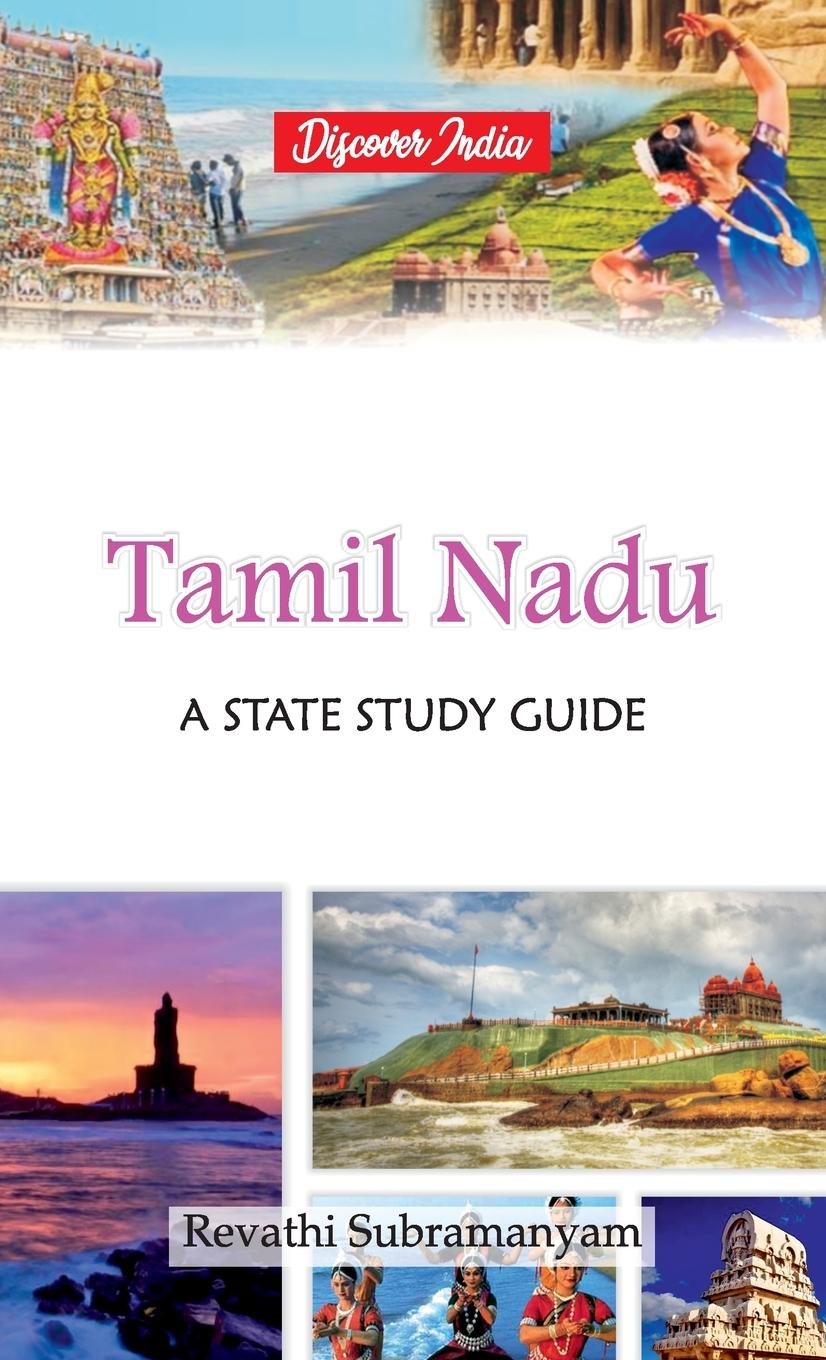
The State of Tamil Nadu has a hoary antiquity. Though early sangam classics throw historical references, we pass to recorded history only from the Pallavas. The southern states of India were under the hegemony of the Cholas, the Cheras and the Pandyas for centuries. The Pallavas held supremacy from about the second quarter of the fourth century A.D. They were the originators of the famous Dravidian style of temple architecture. The last Pallava ruler was Aparajita, in whose reign the later Cholas under Vijayalaya and Aditya asserted themselves by about the 10th century. At the end of the 11th century, Tamil Nadu was ruled by several dynasties like the Chalukyas, Cholas and Pandyas. In the two centuries that followed, the imperial Cholas gained paramountcy over South India. Muslims gradually strengthened their position, which led to the establishment of the Bahamani Sultanate, by the middle of the 14th century. At the same time, the Vijayanagar Kingdom quickly consolidated itself and extended its sway over the whole of South India, and at the close of the century, Vijayanagar became the supreme power in South.
However, it crumbled at the battle of Talikota in 1564 to the confederate forces of the Deccan Sultans. The structure of the government of Tamil Nadu, like that of most other states of India, is determined by the national constitution of 1950. The head of state is the governor, who is appointed by the president of India. The book is of great utility to students, teachers, tourists, guides and general readers.


Sobre el libro
Inglés

Regale este libro hoy
Es fácil
1 Añadir al carrito y elegir Entregar como regalo en el checkout 2 Le enviaremos un vale 3 El libro llegará a la dirección del destinatarioTambién puede interesarle

 /
Tapa dura
259.19
€
/
Tapa dura
259.19
€






 /
Tapa blanda
2.89
€
/
Tapa blanda
2.89
€
 /
Tapa blanda
39.39
€
/
Tapa blanda
39.39
€


¡Hola! Soy Libroamiko, tu asesor de libros.
¿Cómo puedo ayudarte?