
 Contacto
 Cómo comprar
Entrega
Guía de compras
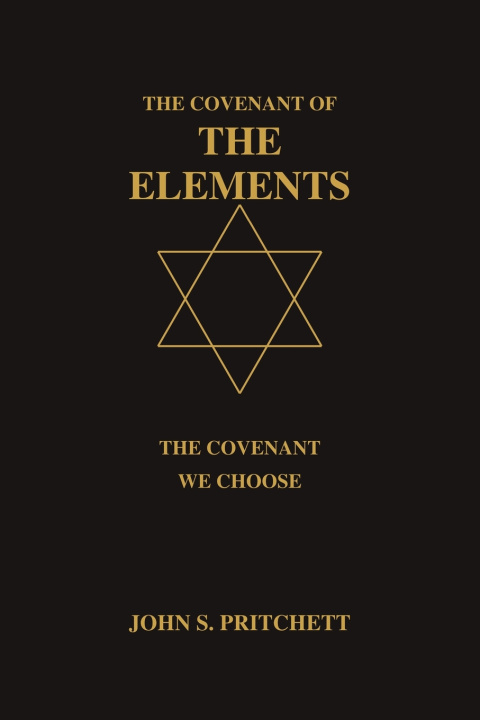
The Covenant of the Elements
 Inglés
 31 b
31 b
 Próximamente
 Nuevo
Nuevo
 Fecha desconocida
Hasta 30 días para devoluciones

Modern civilization was built on an unspoken agreement: water would replenish, land would regenerate, air would remain breathable, and fire would provide energy without destabilizing the systems that sustain us.
The Covenant of the Elements: The Covenant We Choose examines what happens when that agreement is stretched by growth, extraction, climate pressure, aging infrastructure, and widening inequality.
John S. Pritchett brings together the four elemental systems at the foundation of modern life. Water is civilization's circulation. Land is its structure. Air is its shared atmosphere. Fire is the engine that accelerated industry, mobility, and prosperity. Each made human flourishing possible. Each also operates within physical limits that cannot be negotiated away.
For generations, reservoirs, global trade, insurance, technology, and abundant energy buffered disruption. Those protections worked so well that resilience began to feel like permanence.
Today, shrinking water margins, degraded soil, dangerous heat, wildfire smoke, repeated flooding, stressed electrical grids, and rising insurance costs are revealing the boundaries hidden beneath that confidence.
The crisis is not a single dramatic collapse. It is accumulated pressure across systems that increasingly strain at the same time.
The book explores how scarcity exposes social priorities, why environmental risk falls unevenly, and how infrastructure designed for historical conditions can be pushed toward the edge by new baselines. It examines the difficult choices facing communities when water must be allocated, high-risk land reconsidered, energy systems redesigned, and resilience investments distributed.
Yet this is not an argument for retreat from modern life. It is a case for recalibration.
Pritchett shows how water reuse, regenerative agriculture, restored wetlands, cleaner energy, distributed grids, updated building standards, better land-use planning, and more equitable infrastructure can widen the margins within which civilization operates. Innovation matters most when it works with physical boundaries rather than attempting to overpower them.
Modern civilization is not simply fragile. It is calibrated-and every calibrated system depends on remaining within an operating range.
Accessible, thoughtful, and grounded in the connection between environmental systems and human institutions, The Covenant of the Elements speaks to readers interested in climate, infrastructure, public policy, resilience, inequality, migration, energy, and the future of modern society.
The central choice is between drift and design. Drift assumes old conditions will return. Design recognizes that water, land, air, and energy must be governed within cycles of renewal, regeneration, and tolerance.
The elements have revealed the terms. The covenant we choose will determine how deliberately-and how durably-we live within them.


Sobre el libro
Inglés

Regale este libro hoy
Es fácil
1 Añadir al carrito y elegir Entregar como regalo en el checkout 2 Le enviaremos un vale 3 El libro llegará a la dirección del destinatario¡Hola! Soy Libroamiko, tu asesor de libros.
¿Cómo puedo ayudarte?