
 Contacto
 Cómo comprar
Entrega
Guía de compras
 Inglés
 26 b
26 b
Política de devolución de 30 días

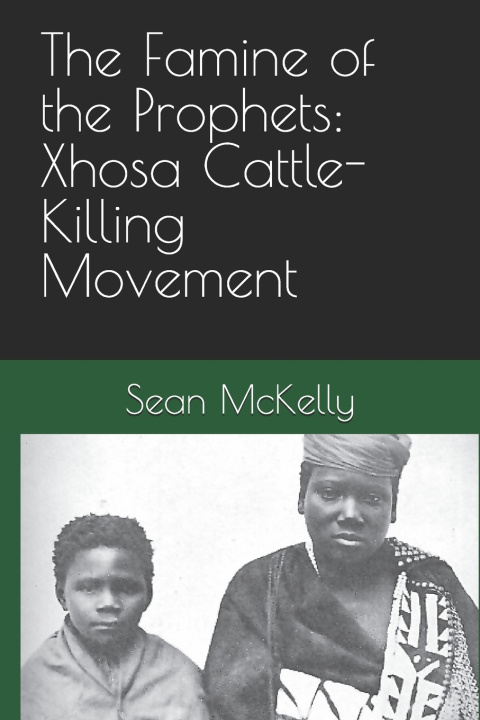
The Famine of the Prophets: Xhosa Cattle-Killing Movement
The Xhosa cattle-killing movement of 1856-1857 represents one of history's most tragic examples of how desperate circumstances can drive intelligent people toward catastrophic decisions. Think of it as a perfect storm of accumulated crises that made even the most extreme solution seem reasonable to those who embraced it.
By the 1850s, the Xhosa people of South Africa's Eastern Cape faced an impossible situation. After decades of military defeats, land seizures, and systematic colonial pressure, their traditional survival strategies had repeatedly failed. Then came the lungsickness epidemic, a cattle disease that killed up to 80% of their herds-the very foundation of their economy and culture.
Into this desperation stepped fifteen-year-old Nongqawuse, who claimed ancestral spirits had promised salvation if the Xhosa destroyed all remaining cattle and crops. The dead would return, Europeans would be swept into the sea, and a golden age would begin. King Sarili's endorsement transformed this local prophecy into national policy.
When the predicted transformation failed to occur on February 18, 1857, the result was catastrophic famine. An estimated 40,000-80,000 people died-roughly half the population. Survivors were forced into the colonial labor system, while 600,000 acres of traditional land were seized by European settlers.
This tragedy demonstrates how crisis can distort decision-making, how prophetic authority can override practical judgment, and how humanitarian disasters can be exploited for political gain. The movement's legacy shaped South African development for generations, influencing everything from apartheid policies to liberation theology, while offering enduring lessons about human nature, collective decision-making, and the complex relationship between faith and reason in times of existential crisis.


Sobre el libro
Inglés
Categorías
