
 Contacto
 Cómo comprar
Entrega
Guía de compras
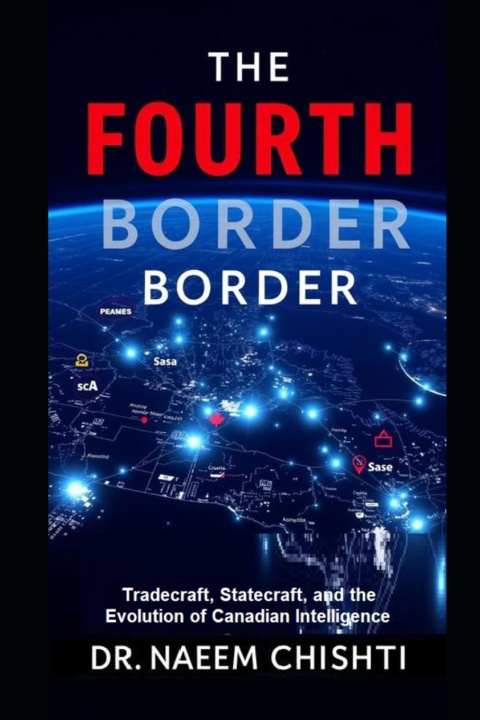
The Fourth Border
Tradecraft, Statecraft, and the Evolution of Canadian Intelligence
 Inglés
 49 b
49 b
 Próximamente
 Nuevo
Nuevo
Hasta 30 días para devoluciones

The Fourth Border explores the hidden world of Canadian intelligence through a fresh and original lens. Moving beyond agency histories and headline-making espionage cases, it argues that Canada has quietly developed one of the world's most distinctive intelligence systems-one built not on unchecked secrecy or expansive executive power, but on legal restraint, constitutional accountability, alliance cooperation, and carefully targeted operational specialization.
For decades, Canada's intelligence community has operated largely out of public view. While the Canadian Security Intelligence Service (CSIS) and the Communications Security Establishment (CSE) occasionally enter the public spotlight, much of the country's intelligence architecture remains misunderstood. Yet intelligence today is more important than ever. Terrorism, cyber espionage, foreign interference, economic coercion, disinformation, organized crime, and strategic competition in the Arctic have transformed the nature of national security. Increasingly, the most consequential threats to Canada cross no physical frontier.
This invisible frontier is what the book calls the Fourth Border.
Drawing on legislation, public inquiries, judicial decisions, government reports, and leading scholarship, the book traces the evolution of Canadian intelligence from the RCMP Security Service and the reforms that created CSIS to the sophisticated intelligence community that now protects Canada's democratic institutions, economy, critical infrastructure, and international interests. It explains how intelligence is collected, analyzed, shared, and overseen while examining Canada's unique role within the Five Eyes partnership and its growing strategic importance in an era of geopolitical competition and technological disruption.
At the heart of the book is the concept of the Canadian Democratic Intelligence Model-an original analytical framework that explains how Canada has reconciled effective intelligence with democratic governance. Rather than viewing national security and civil liberties as competing priorities, the book demonstrates how legality, independent oversight, ethical conduct, and public trust have become strategic assets that strengthen intelligence rather than constrain it.
Accessible to general readers while offering new insights for scholars, policymakers, intelligence professionals, and students, The Fourth Border combines historical analysis, strategic assessment, operational understanding, and comparative perspective in a single volume. It examines not only how Canadian intelligence works but also why it has evolved differently from the intelligence systems of many other democratic states and what that evolution reveals about Canada's place in an increasingly uncertain world.
More than a history of CSIS or an account of covert operations, The Fourth Border is a study of intelligence as an instrument of democratic statecraft. It shows how Canada has sought to protect its sovereignty, security, and constitutional values in an age when the most significant battles are fought not only across land, sea, and air, but across information networks, digital infrastructure, financial systems, and the institutions that sustain democracy itself.
Timely, authoritative, and thought-provoking, this book offers a compelling new understanding of Canadian intelligence and the invisible frontier that increasingly defines the security of modern nations.


Sobre el libro
Inglés

Regale este libro hoy
Es fácil
1 Añadir al carrito y elegir Entregar como regalo en el checkout 2 Le enviaremos un vale 3 El libro llegará a la dirección del destinatario¡Hola! Soy Libroamiko, tu asesor de libros.
¿Cómo puedo ayudarte?