
 Contacto
 Cómo comprar

Entrega
Guía de compras
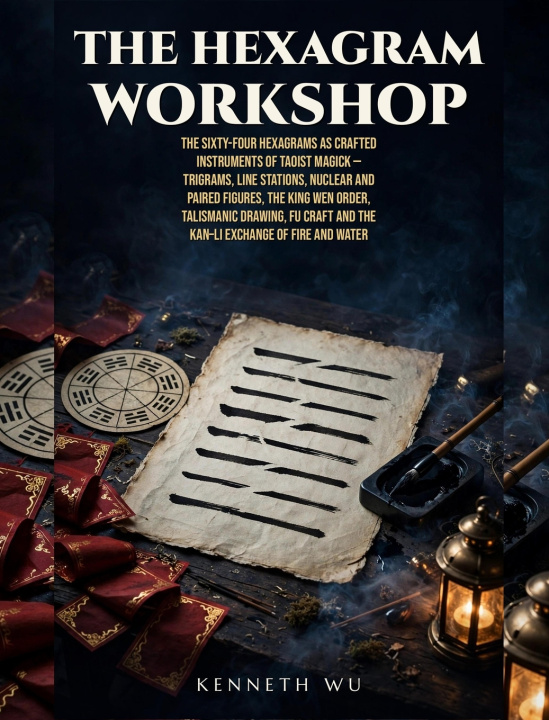
The Hexagram Workshop
How the Yijing Was Written, Cast, and Carried - From Oracle Bones and the Sixty-Four Hexagrams to the Ten Wings, the Scholars, and the Diviners Who Still Read Them
 Inglés
 134 b
 Próximamente
 Nuevo
Hasta 30 días para devoluciones

Sixty-four signs. One book. Two thousand years of people asking it the same question - and arguing about what it said back.
A diviner heats a turtle shell until it cracks. A scribe records the crack and calls it an answer. A king asks the bones whether to go to war. A scholar writes a commentary and calls it the Ten Wings. A merchant casts the coins and reads the hexagram.
The Hexagram Workshop follows forty texts, keepers, castings and commentaries across two thousand years: the oracle bones of the Shang, the sixty-four hexagrams of the Yijing, the Ten Wings of Confucius, the commentaries of Wang Bi and Zhu Xi, the diviners of the courts, the scholars of the academies, the Yijing in Japan and Korea, the Yijing in the West, the hexagrams in the temples - and the scholars now reading the excavated manuscripts to learn what the book really said.
Inside you'll discover
How the oracle bones were read - and what the cracks meant
Why the hexagrams are sixty-four - and not sixty-three
What the Ten Wings really are - and who wrote them
How Wang Bi changed the Yijing forever
Why Zhu Xi's commentary became the standard
How the Yijing travelled to the West - and what the West made of it
What the excavated manuscripts say that no received text records
Who this book is for
Readers of religion, history and the book who want the Yijing told honestly - as texts, castings, commentaries and evidence, not as a manual of divination. This is a documentary history: the hexagrams are examined as records of the past, never taught as a method.
Kenneth Wu writes narrative histories of the texts, crafts and material worlds of the pre-modern age.
The signs were cast. The book was kept anyway. This is who wrote it, who cast it, and what of it survives.


Sobre el libro
Inglés

Regale este libro hoy
Es fácil
1 Añadir al carrito y elegir Entregar como regalo en el checkout 2 Le enviaremos un vale 3 El libro llegará a la dirección del destinatario¡Hola! Soy Libroamiko, tu asesor de libros.
¿Cómo puedo ayudarte?