
 Contacto
 Cómo comprar
Entrega
Guía de compras
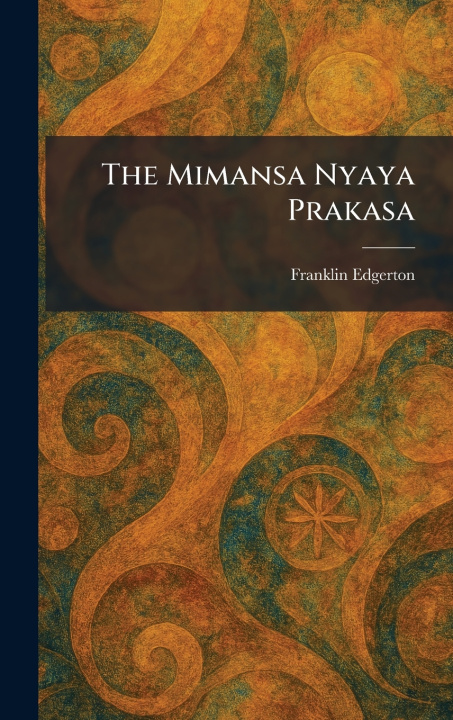
The Mimansa Nyaya Prakasa
 Inglés
 88 b
88 b
Política de devolución de 30 días

"The Mimansa Nyaya Prakasa", also known as the "Apadevi", is a foundational treatise on the Purva Mimamsa school of Indian philosophy. Written by the scholar Apadeva and presented here in a meticulous translation by the renowned Indologist Franklin Edgerton, this work serves as an essential introduction to the complex rules of Vedic interpretation and ritual logic. The text systematically elucidates the principles used to interpret the sacred Vedas, focusing on the relationship between language, action, and religious duty (dharma).
Readers will find a detailed exploration of the categories of Mimamsa thought, including the classification of sacrificial injunctions and the logical frameworks required to resolve apparent contradictions in scriptural commands. This work is indispensable for students of Sanskrit literature, Hindu theology, and comparative philosophy, providing a clear window into the intellectual rigor of ancient Indian exegetical traditions. By breaking down the technical terminology of the Nyaya and Mimamsa systems, Edgerton's edition remains a vital resource for understanding how classical Indian thinkers approached the authority of sacred texts and the metaphysical underpinnings of religious practice.
This work has been selected by scholars as being culturally important, and is part of the knowledge base of civilization as we know it. This work was reproduced from the original artifact, and remains as true to the original work as possible. Therefore, you may see the original copyright references, library stamps (as most of these works have been housed in our most important libraries around the world), and other notations in the work.
This work is in the public domain in the United States of America, and possibly other nations. Within the United States, you may freely copy and distribute this work, as no entity (individual or corporate) has a copyright on the body of the work.
As a reproduction of a historical artifact, this work may contain missing or blurred pages, poor pictures, errant marks, etc. Scholars believe, and we concur, that this work is important enough to be preserved, reproduced, and made generally available to the public. We appreciate your support of the preservation process, and thank you for being an important part of keeping this knowledge alive and relevant.


Sobre el libro
Inglés
