
 Contacto
 Cómo comprar
Entrega
Guía de compras
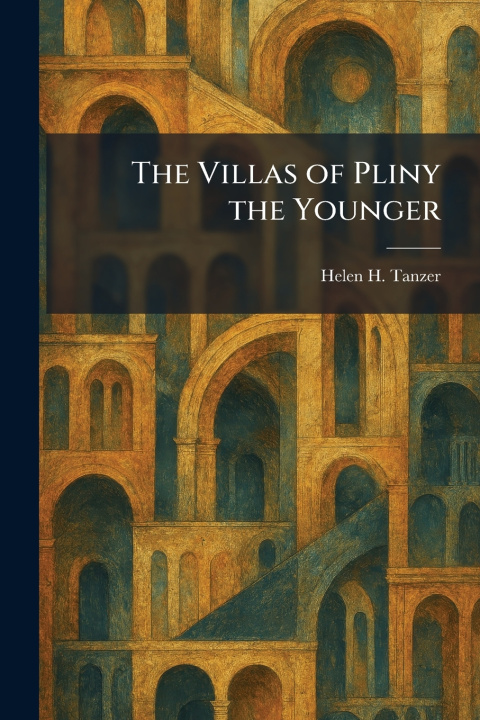
The Villas of Pliny the Younger
 Inglés
 49 b
49 b
Política de devolución de 30 días

"The Villas of Pliny the Younger" is a meticulous architectural and historical study of the legendary residences described by the Roman statesman Pliny the Younger in his correspondence. Using Pliny's detailed letters as primary source material, Helen H. Tanzer explores the design, layout, and cultural significance of the Laurentine and Tuscan villas, which have long fascinated scholars of classical antiquity.
This work serves as an essential bridge between literature and archaeology, offering readers a visual and analytical reconstruction of Roman domestic life at its most refined. Tanzer provides a comparative analysis of previous architectural interpretations while synthesizing them into a comprehensive vision of Roman luxury and spatial organization.
Through detailed examination of the physical environment, social functions, and aesthetic ideals of the first and second centuries AD, this book provides invaluable insight into the Roman concept of otium (leisure) and the architectural ingenuity of the era. Scholars of Roman history, architecture, and classical literature will find this study an indispensable resource for understanding how the Roman elite integrated nature, art, and living spaces.
This work has been selected by scholars as being culturally important, and is part of the knowledge base of civilization as we know it. This work was reproduced from the original artifact, and remains as true to the original work as possible. Therefore, you may see the original copyright references, library stamps (as most of these works have been housed in our most important libraries around the world), and other notations in the work.
This work is in the public domain in the United States of America, and possibly other nations. Within the United States, you may freely copy and distribute this work, as no entity (individual or corporate) has a copyright on the body of the work.
As a reproduction of a historical artifact, this work may contain missing or blurred pages, poor pictures, errant marks, etc. Scholars believe, and we concur, that this work is important enough to be preserved, reproduced, and made generally available to the public. We appreciate your support of the preservation process, and thank you for being an important part of keeping this knowledge alive and relevant.


Sobre el libro
Inglés
