
 Contacto
 Cómo comprar
Entrega
Guía de compras
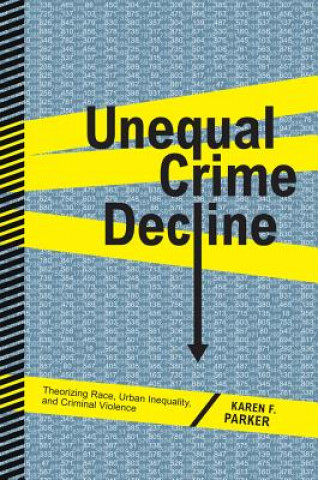
Unequal Crime Decline
 Inglés
 97 b
97 b
Hasta 30 días para devoluciones
Clientes que también han comprado



Crime in most urban areas has been falling since 1991. While the decline has been well-documented, few scholars have analyzed which groups have most benefited from the crime decline and which are still on the frontlines of violence - and why that might be. In "Unequal Crime Decline", Karen F. Parker presents a structural and theoretical analysis of the various factors that affect the crime decline, looking particularly at the past three decades and the shifts that have taken place, and offers original insight into which trends have declined and why. Taking into account such indicators as employment, labour market opportunities, skill levels, housing, changes in racial composition, family structure, and drug trafficking, Parker provides statistics that illustrate how these factors do or do not affect urban violence, and carefully considers these factors in relation to various crime trends, such as rates involving blacks, whites, but also trends among black males, white females, as well as others. Throughout the book she discusses popular structural theories of crime and their limitations, in the end concentrating on today's issues and important contemporary policy to be considered. "Unequal Crime Decline" is a comprehensive and theoretically sophisticated look at the relationship among race, urban inequality, and violence in the years leading up to and following America's landmark crime drop.


Sobre el libro
Inglés

Regale este libro hoy
Es fácil
1 Añadir al carrito y elegir Entregar como regalo en el checkout 2 Le enviaremos un vale 3 El libro llegará a la dirección del destinatarioTambién puede interesarle
 /
/
 Tapa blanda
 55.39
€
55.39
€











¡Hola! Soy Libroamiko, tu asesor de libros.
¿Cómo puedo ayudarte?