
 Contacto
 Cómo comprar
Entrega
Guía de compras
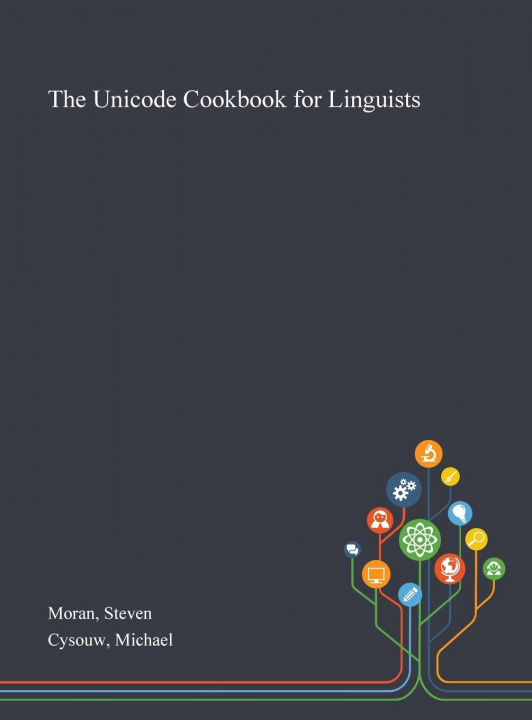
Unicode Cookbook for Linguists
 Inglés
 100 b
100 b
Hasta 30 días para devoluciones
También puede interesarle



This text is a practical guide for linguists, and programmers, who work with data in multilingual computational environments. We introduce the basic concepts needed to understand how writing systems and character encodings function, and how they work together at the intersection between the Unicode Standard and the International Phonetic Alphabet. Although these standards are often met with frustration by users, they nevertheless provide language researchers and programmers with a consistent computational architecture needed to process, publish and analyze lexical data from the world's languages. Thus we bring to light common, but not always transparent, pitfalls which researchers face when working with Unicode and IPA. Having identified and overcome these pitfalls involved in making writing systems and character encodings syntactically and semantically interoperable (to the extent that they can be), we created a suite of open-source Python and R tools to work with languages using orthography profiles that describe author- or document-specific orthographic conventions. In this cookbook we describe a formal specification of orthography profiles and provide recipes using open source tools to show how users can segment text, analyze it, identify errors, and to transform it into different written forms for comparative linguistics research.
This work was published by Saint Philip Street Press pursuant to a Creative Commons license permitting commercial use. All rights not granted by the work's license are retained by the author or authors.


Sobre el libro
Inglés

Regale este libro hoy
Es fácil
1 Añadir al carrito y elegir Entregar como regalo en el checkout 2 Le enviaremos un vale 3 El libro llegará a la dirección del destinatario¡Hola! Soy Libroamiko, tu asesor de libros.
¿Cómo puedo ayudarte?