Envío gratis a partir de 69,99 euros.

Entre a formar parte de una comunidad de amantes de los libros del mundo entero y acceda a un sinfín de ventajas.
Crear una cuenta gratis
Envío gratuito con Zásilkovna para compras superiores a 59.99 €
Mensajería SEUR 4.99 €
Mensajería GLS 7.99 €
Mensajería Correos 5.49 €
Mensajería DHL 5.49 €
Punto SEUR 3.99 €
 Contacto
 Cómo comprar
Ayuda
Entrega
Mensajería SEUR 4.99 €
Mensajería GLS 7.99 €
Mensajería Correos 5.49 €
Mensajería DHL 5.49 €
Punto SEUR 3.99 €
Envío gratuito con Zásilkovna para compras superiores a 59.99 €
Guía de compras
Mi cuenta
▸
Vacío :-(
0
Envío gratis a partir de 69,99 euros.
Idioma
 Inglés
Inglés
Libro
Tapa blanda
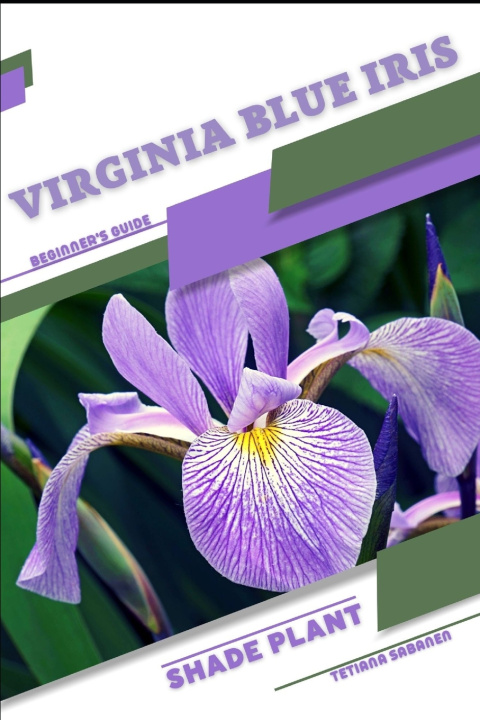
Shade plants, also known as shade-tolerant or shade-loving plants, have evolved a suite of adaptatio...
Descripción completa
Código Libristo: 51086228
?
 49 b
49 b
49 b
20.09
€
Almacenamiento externo
Envío en 14-21 días
Hasta 30 días para devoluciones
Clientes que también han comprado



Shade plants, also known as shade-tolerant or shade-loving plants, have evolved a suite of adaptations that allow them to thrive in environments characterized by reduced light intensity. These plants have developed various strategies to capture and utilize available light energy efficiently. We will explore the key features and mechanisms employed by shade plants to successfully adapt to low-light conditions.
- Light Harvesting Structures:
- Light-Absorbing Pigments:
- Low-Light Photosynthetic Mechanisms:
- Light-Avoidance Responses:
- Nutrient Efficiency:
- Adaptive Morphology:
- Understory and Forest Floor Ecology:
- Tolerance to Low Light Stress:
In conclusion, shade plants have evolved a range of adaptations at the structural, physiological, and ecological levels to thrive in low-light environments. These adaptations allow them to efficiently capture, utilize, and compete for available light, ensuring their survival and growth in shaded habitats.
So, this book will tech you how to grow this plant, Scroll up and get new knowledge
Actriz
&
Políglota
EWA KASP
para
Visualizar el vídeo


Libristo tiene la oferta más extensa de literatura en idiomas extranjeros. Por eso compran aquí sus libros.
Sobre el libro
Nombre y apellidos
Virginia Blue Iris
Autor
Tetiana Sabanen
Idioma
Inglés
Inglés
Encuadernación
Libro - Tapa blanda
Fecha de publicación
2023
Número de páginas
98
EAN
9798861272919
Código Libristo
51086228
Editores
Independently published
Peso
144
Dimensiones
152 x 229 x 5

Regale este libro hoy
Es fácil
1 Añadir al carrito y elegir Entregar como regalo en el checkout 2 Le enviaremos un vale 3 El libro llegará a la dirección del destinatario
Asesor de libros Libroamiko
Al usar este chat, te estás comunicando con inteligencia artificial generativa. Al usarlo, también aceptas el tratamiento de datos personales.
¡Hola! Soy Libroamiko, tu asesor de libros.
¿Cómo puedo ayudarte?
Hola, soy Libroamiko, ¿puedo ayudarte?