
 Contacto
 Cómo comprar
Entrega
Guía de compras
 Inglés
 465 b
465 b
Hasta 30 días para devoluciones
Clientes que también han comprado






 /
/
 Tapa blanda
 14.89
€
14.89
€

 /
Tapa blanda
10.89
€
/
Tapa blanda
10.89
€














 /
Tapa blanda
17.19
€
/
Tapa blanda
17.19
€

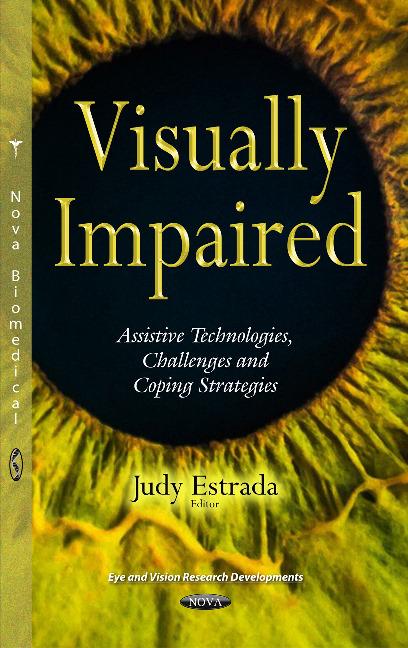
It is well-known that the most common and largely used assistive technology among the visually impaired community is the white cane. Many technologies have been proposed as alternative assistive devices to improve the autonomous mobility of people affected by visual diseases. Nevertheless, whatever is the physical quantity used by these active assistive technologies - mainly ultrasonic or optical sensors - they present many limitations and none of them adequately meets the international guidelines defined for the electronic travel aids and the specific requests coming from the visually impaired community. The first chapter of this book aims to provide an overview of the existing travel aids for people affected by visual diseases, discussing pros and cons of available technologies. The aim of the next chapter is to convince the reader that solutions based on mobile visual aid systems will answer a critical societal challenge. Chapter Three explores the use of electromagnetic technology in support of visually impaired athlete runners. Chapter Four describes the present state of mobile technologies development taking into consideration the point of view of visually impaired people. Finally, the goal of the concluding chapter is to relate how the audio-description has been produced as a communication accessibility resource.


Sobre el libro
Inglés

Regale este libro hoy
Es fácil
1 Añadir al carrito y elegir Entregar como regalo en el checkout 2 Le enviaremos un vale 3 El libro llegará a la dirección del destinatarioTambién puede interesarle









 /
Tapa blanda
41.59
€
/
Tapa blanda
41.59
€




¡Hola! Soy Libroamiko, tu asesor de libros.
¿Cómo puedo ayudarte?