
 Contacto
 Cómo comprar
Entrega
Guía de compras
 Inglés
 63 b
63 b
 Próximamente
 Nuevo
Nuevo
Hasta 30 días para devoluciones

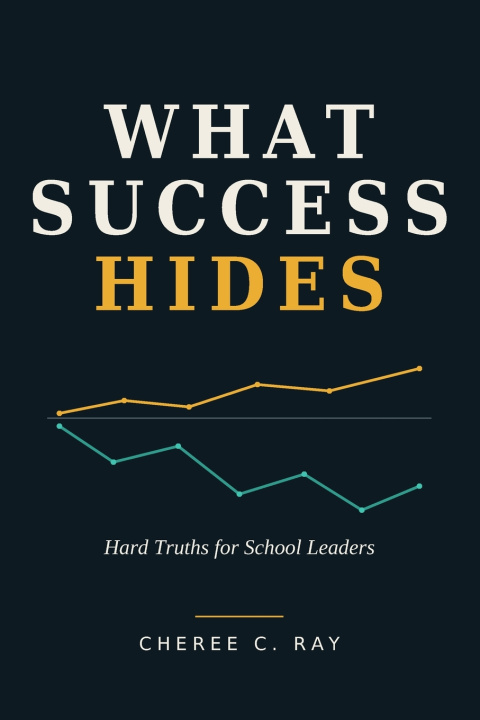
Your school photographs well. That is exactly the problem.
The data can rise while a child disappears inside good behavior. The building can run smoothly because one exhausted person is quietly carrying it. The meeting can end with every box checked and nobody actually heard. Success is the most convincing thing a school can produce. It closes questions. Some of those questions needed to stay open.
Buildings do not miss children because nobody saw anything. Everybody saw a piece, and the investigation belonged to no one. Leadership is the work of assigning it.
You are the one being coached here.
Thirty-seven hard truths. Five disciplines. And the same six moves in every chapter, because a cycle is what turns a claim into a change.
- The Hard Truth. The claim, in one uncompromising sentence.
- The Story. A real scene from the author's own buildings.
- The Autopsy. The organizational machinery running underneath it.
- The Leader's Mirror. The lens turned on you.
- The Audit. Questions to run on your own school this week.
- The Practice. One thing to do Monday morning.
The truths your leadership training skipped:
- Behavior is evidence, not a verdict.
- Fear produces compliance, and corrupts your data.
- A system that applies only to some people is a mood.
- Everybody gets coached, and nobody's title graduates them from growth.
- The standard you walk past becomes the standard you lead.
- Strong is sometimes what we call people before we abandon them.
- Equity can fail without anyone choosing to be inequitable.
Who this is for: principals, assistant principals, instructional coaches, deans, teacher leaders, district administrators, and everyone preparing to lead a building. A first-year leader can act on any chapter by Monday. A thirty-year veteran will not find a naive page in it.
This book is her audit. It is also her invitation to run yours. Read it with your own building in mind, then look again.


Sobre el libro
Inglés

Regale este libro hoy
Es fácil
1 Añadir al carrito y elegir Entregar como regalo en el checkout 2 Le enviaremos un vale 3 El libro llegará a la dirección del destinatario¡Hola! Soy Libroamiko, tu asesor de libros.
¿Cómo puedo ayudarte?