Envío gratis a partir de 69,99 euros.

Entre a formar parte de una comunidad de amantes de los libros del mundo entero y acceda a un sinfín de ventajas.
Crear una cuenta gratis
Envío gratuito con Zásilkovna para compras superiores a 59.99 €
Mensajería SEUR 4.99 €
Mensajería GLS 7.99 €
Mensajería Correos 5.49 €
Mensajería DHL 5.49 €
Punto SEUR 3.99 €
 Contacto
 Cómo comprar
Ayuda
Entrega
Mensajería SEUR 4.99 €
Mensajería GLS 7.99 €
Mensajería Correos 5.49 €
Mensajería DHL 5.49 €
Punto SEUR 3.99 €
Envío gratuito con Zásilkovna para compras superiores a 59.99 €
Guía de compras
Mi cuenta
▸
Vacío :-(
0
Envío gratis a partir de 69,99 euros.
What We Mourn
Idioma
 Inglés
Inglés
Libro
Tapa blanda
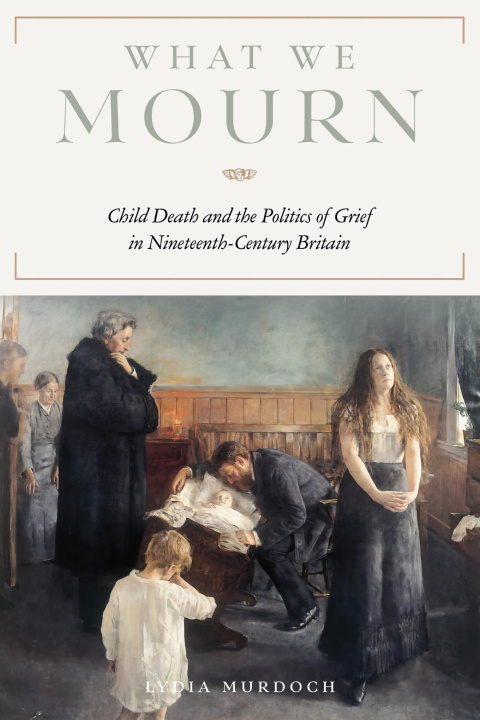
How a new culture of bereavement changed the relationship of the Victorian state to its most vulnera...
Descripción completa
Código Libristo: 49500172
?
 104 b
104 b
104 b
42.39
€
Almacenamiento externo
Envío en 9-15 días
Política de devolución de 30 días
Clientes que también han comprado



How a new culture of bereavement changed the relationship of the Victorian state to its most vulnerable subjects
When the Tory Member of Parliament Michael Sadler argued in 1832 for state intervention on behalf of Britain's dying child factory workers, he elicited smirks and ridicule from his Liberal adversaries--a response that would have been unimaginable by the century's end. What We Mourn traces the changing understandings of child death within British, imperial, and transatlantic contexts and reveals the importance of youth and emotion to constructions of the modern state. As childhood took on new meanings over the course of the long nineteenth century, public mourning for the premature deaths of children emerged as a way of asserting and even redefining British rights and citizenship. Factory hands and abolitionists, sanitation reformers and suffragists democratized and politicized their grief as they called upon the state to recognize their lives as part of a new, reimagined political order. As Lydia Murdoch shows, carrying their own and others' private grief into the public sphere--with petitions and marches, public lectures and poetry--allowed marginalized members of society to assert their claim to rights. What We Mourn explores both the power and the limitations of a new politics founded on grief and the protection of child life.
Actriz
&
Políglota
EWA KASP
para
Visualizar el vídeo


Libristo tiene la oferta más extensa de literatura en idiomas extranjeros. Por eso compran aquí sus libros.
Sobre el libro
Nombre y apellidos
What We Mourn
Autor
Lydia Murdoch
Idioma
Inglés
Inglés
Encuadernación
Libro - Tapa blanda
Fecha de publicación
2025
Número de páginas
282
EAN
9780813953823
ISBN
0813953820
Código Libristo
49500172
Editores
University of Virginia Press
Peso
390
Dimensiones
152 x 229 x 25
Categorías

Regale este libro hoy
Es fácil
1 Añadir al carrito y elegir Entregar como regalo en el checkout 2 Le enviaremos un vale 3 El libro llegará a la dirección del destinatarioTambién puede interesarle











Asesor de libros Libroamiko
Al usar este chat, te estás comunicando con inteligencia artificial generativa. Al usarlo, también aceptas el tratamiento de datos personales.
¡Hola! Soy Libroamiko, tu asesor de libros.
¿Cómo puedo ayudarte?
Hola, soy Libroamiko, ¿puedo ayudarte?