
 Contacto
 Cómo comprar
Entrega
Guía de compras
Witch as Muse
 Inglés
 83 b
83 b
Política de devolución de 30 días
Clientes que también han comprado
















 /
/
 Tapa blanda
 16.09
€
16.09
€








 /
Tapa blanda
26.09
€
/
Tapa blanda
26.09
€
 /
Tapa blanda
17.89
€
/
Tapa blanda
17.89
€



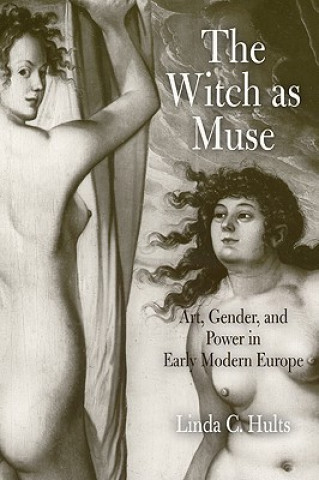
Occult topics have long fascinated artists, and the subject of witches-their imagined bodies and fantastic rituals-was a popular one for painters and printmakers in early modern Europe. Focusing on several artists in depth, Linda C. Hults probes the historical and theoretical contexts of their work to examine the ways witches were depicted and the motivations for those depictions. While studying the work of such artists as Durer, Baldung, Jacques de Gheyn II, and Goya, Hults discerns patterns suggesting that the imagery of witchcraft served both as an expression of artistic license and as a tool of self-promotion for the artists. These imagined images of witches were designed to catch the attention of powerful and important patrons as witchcraft was being debated in political and intellectual centers. Durer's early engravings of witnesses made in the wake of the Malleus maleficarum of 1487 were crucial in linking the seductive or aged female form with the dangers of witchcraft. The polarized idea of gender pervaded many aspects of early modern culture, including art theory. As the deluded female witch embodied the abuse of imagination and fantasy, so the male artist presented himself as putting those faculties to productive and reasoned use.


Sobre el libro
Inglés

Regale este libro hoy
Es fácil
1 Añadir al carrito y elegir Entregar como regalo en el checkout 2 Le enviaremos un vale 3 El libro llegará a la dirección del destinatarioTambién puede interesarle
























 /
Tapa blanda
15.39
€
/
Tapa blanda
15.39
€
¡Hola! Soy Libroamiko, tu asesor de libros.
¿Cómo puedo ayudarte?