
 Contacto
 Cómo comprar
Entrega
Guía de compras
 Inglés
 423 b
423 b
Hasta 30 días para devoluciones
Clientes que también han comprado











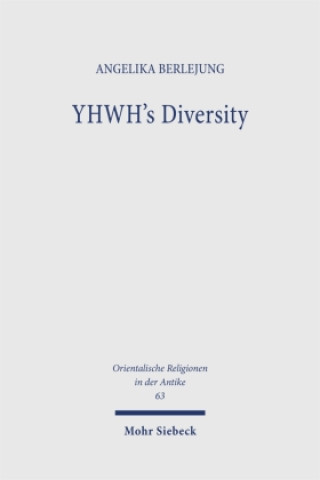
By applying a bottom-up approach, Angelika Berlejung examines YHWH's names, epithets, attributes, and functions in biblical and extrabiblical texts, images found in iconographic material, and attempts to correlate these sources. In doing so, her study reverses the usual approach: rather than starting with discussions about the one (and only) origin of YHWH and the search for his primordial theological profile, it aggregates the diversity of the known YHWH names and the fact that there is no specific YHWH iconography into the thesis that there were different origins of YHWH and regional manifestations of this god before the exile, each with different theological profiles and iconographies. This thesis is accompanied by a consistent regionalization of YHWH worship. The study is embedded in modern approaches to the archaeology of religion and a conception of the Southern Levantine religions which are characterized by a high degree of diversity, regionality, exchange, entanglement, hybridisation and dynamics of appropriation and negation. Instead of a uniform YHWH religion shared by all "Israelites", the polyyahwistic and polyiconographic approach to Yahwism reveals a mosaic of regionally diverse, religiously non-homogeneous clusters that were only harmonised with each other by Judean and Samarian interpretive authorities in the post-exilic period. From this point of departure, the author discusses possible reasons that lead from pre-exilic polyyahwism and polyiconography to YHWH's later differentia specifica, monotheism and the ban against YHWH images.


Sobre el libro
Inglés

Regale este libro hoy
Es fácil
1 Añadir al carrito y elegir Entregar como regalo en el checkout 2 Le enviaremos un vale 3 El libro llegará a la dirección del destinatarioTambién puede interesarle







¡Hola! Soy Libroamiko, tu asesor de libros.
¿Cómo puedo ayudarte?