
 Contacto
 Cómo comprar
Entrega
Guía de compras
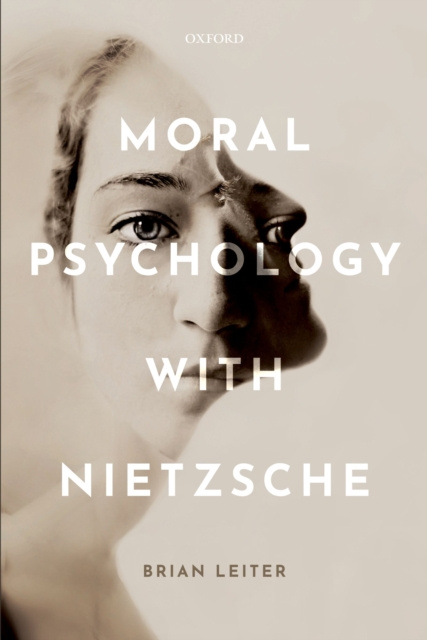
Moral Psychology with Nietzsche
 Inglés
 75 b
75 b
Clientes que también han comprado

 /
/
 Tapa dura
 17.89
€
17.89
€





 /
Tapa blanda
17.89
€
/
Tapa blanda
17.89
€














 /
Tapa blanda
12.95
€
/
Tapa blanda
12.95
€


 /
Tapa blanda
14.19
€
/
Tapa blanda
14.19
€





Brian Leiter defends a set of radical ideas from Nietzsche: there is no objectively true morality, there is no free will, no one is ever morally responsible, and our conscious thoughts and reasoning play almost no significant role in our actions and how our lives unfold. Leiter presents a new interpretation of main themes of Nietzsche's moral psychology, including his anti-realism about value (including epistemic value), his account of moral judgment and itsrelationship to the emotions, his conception of the will and agency, his scepticism about free will and moral responsibility, his epiphenomenalism about certain kinds of conscious mental states, and his views about the heritability of psychological traits. In combining exegesis with argument, Leiter engagesthe views of philosophers like Harry Frankfurt, T. M. Scanlon, and Gary Watson, and psychologists including Daniel Wegner, Benjamin Libet, and Stanley Milgram. Nietzsche emerges not simply as a museum piece from the history of ideas, but as a philosopher and psychologist who exceeds David Hume for insight into human nature and the human mind, repeatedly anticipates later developments in empirical psychology, and continues to offer sophisticated and unsettling challenges to much conventionalwisdom in both philosophy and psychology.


Sobre el libro
Inglés
Categorías

Regale este libro hoy
Es fácil
1 Añadir al carrito y elegir Entregar como regalo en el checkout 2 Le enviaremos un vale 3 El libro llegará a la dirección del destinatarioTambién puede interesarle

 /
Tapa blanda
8.99
€
/
Tapa blanda
8.99
€

 /
Tapa blanda
8.89
€
/
Tapa blanda
8.89
€















¡Hola! Soy Libroamiko, tu asesor de libros.
¿Cómo puedo ayudarte?