
 Contacto
 Cómo comprar
Entrega
Guía de compras
 Inglés
 122 b
122 b
Hasta 30 días para devoluciones
Clientes que también han comprado











 /
/
 Tapa blanda
 42.39
€
42.39
€

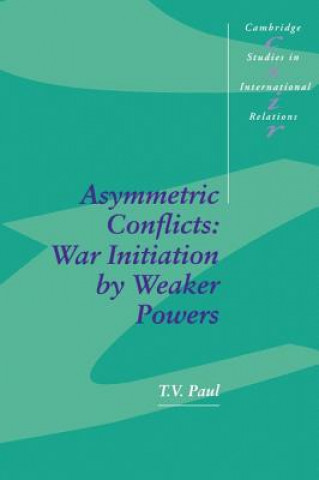
This book examines a question generally neglected in the study of international relations: why does a militarily and economically less powerful state initiate conflict against a relatively strong state? T. V. Paul analyses this phenomenon by focusing on the strategic and political considerations, domestic and international, which influence a weaker state to initiate war against a more powerful adversary. The key argument of deterrence theory is that the military superiority of the status quo power, coupled with a credible retaliatory threat, will prevent attack by challengers. The author challenges this assumption by examining six twentieth-century asymmetric wars, from the Japanese offensive against Russia in 1904 to the Argentine invasion of the Falkland Islands in 1982. The book's findings have wide implications for the study of war, power, deterrence, coercive diplomacy, strategy, arms races, and alliances.


Sobre el libro
Inglés
Categorías

Regale este libro hoy
Es fácil
1 Añadir al carrito y elegir Entregar como regalo en el checkout 2 Le enviaremos un vale 3 El libro llegará a la dirección del destinatarioTambién puede interesarle



 /
Tapa dura
118.39
€
/
Tapa dura
118.39
€


 /
/
 Adobe ePub DRM
71.09
€
Adobe ePub DRM
71.09
€
 /
Tapa blanda
155.39
€
/
Tapa blanda
155.39
€



¡Hola! Soy Libroamiko, tu asesor de libros.
¿Cómo puedo ayudarte?