
 Contacto
 Cómo comprar
Entrega
Guía de compras
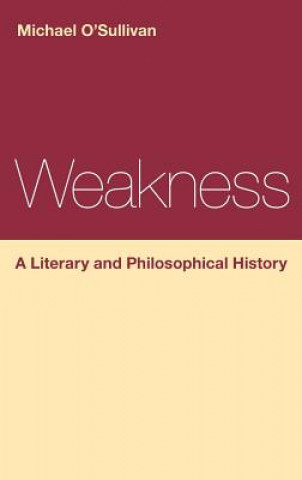
Weakness: A Literary and Philosophical History
 Inglés
 503 b
503 b
Hasta 30 días para devoluciones
Clientes que también han comprado




















This study charts a history of weakness in a selection of canonical works in literature and philosophy. Examining the nature of weakness has inspired some of the most influential aesthetic and philosophical portraits of the human condition. By reading a selection of canonical literary and philosophical texts, Michael O'Sullivan charts a history of responses to the experience and exploration of weakness. Beginning with Plato and Aristotle, this first book-length study of the concept explores weakness as it interpreted by Lao Tzu, Nietzsche, the Romantics, Dickens and the Modernists. It examines what feminist critics Elaine Showalter and Luce Irigaray make of the figure of the "weaker vessel" and considers philosophical notions such as radical passivity, a "syntax of weakness" and human vulnerability in the work of Derrida and Beckett and Coetzee. Through analysis of these differing versions of weakness, O'Sullivan's study challenges the popular myth that aligns masculine identity with strength and force and presents a humane weakness as a guiding motif for debates in ethics.


Sobre el libro
Inglés

Regale este libro hoy
Es fácil
1 Añadir al carrito y elegir Entregar como regalo en el checkout 2 Le enviaremos un vale 3 El libro llegará a la dirección del destinatarioTambién puede interesarle













 /
/
 Tapa blanda
 16.29
€
16.29
€
 /
Tapa blanda
55.29
€
/
Tapa blanda
55.29
€




¡Hola! Soy Libroamiko, tu asesor de libros.
¿Cómo puedo ayudarte?